
Find Florida Warrant Records Online
Florida warrant records are kept by sheriff offices and clerks of court across all 67 counties. The Florida Department of Law Enforcement runs a free statewide search tool through its Public Access System. You can look up active arrest warrants, bench warrants, and capias records from any county in the state. Each sheriff also posts warrant data on their own site. Most of these searches take just a few minutes. Whether you need to check on an outstanding warrant or look up court records tied to a criminal case, Florida offers several ways to search warrant records from home or in person.
Florida Warrant Records Quick Facts
How to Search Florida Warrant Records
The main way to search for warrant records in Florida is through the FDLE Public Access System. This free tool lets anyone look up wanted persons across the state. It holds active warrants from all 67 Florida counties. The database gets fresh data every 24 hours. You can search by first name, last name, date of birth, race, or sex. Results show the warrant type and which agency filed it. Start here for any Florida warrant search.
The FDLE Public Access System is the primary statewide warrant search tool for Florida residents and the general public.
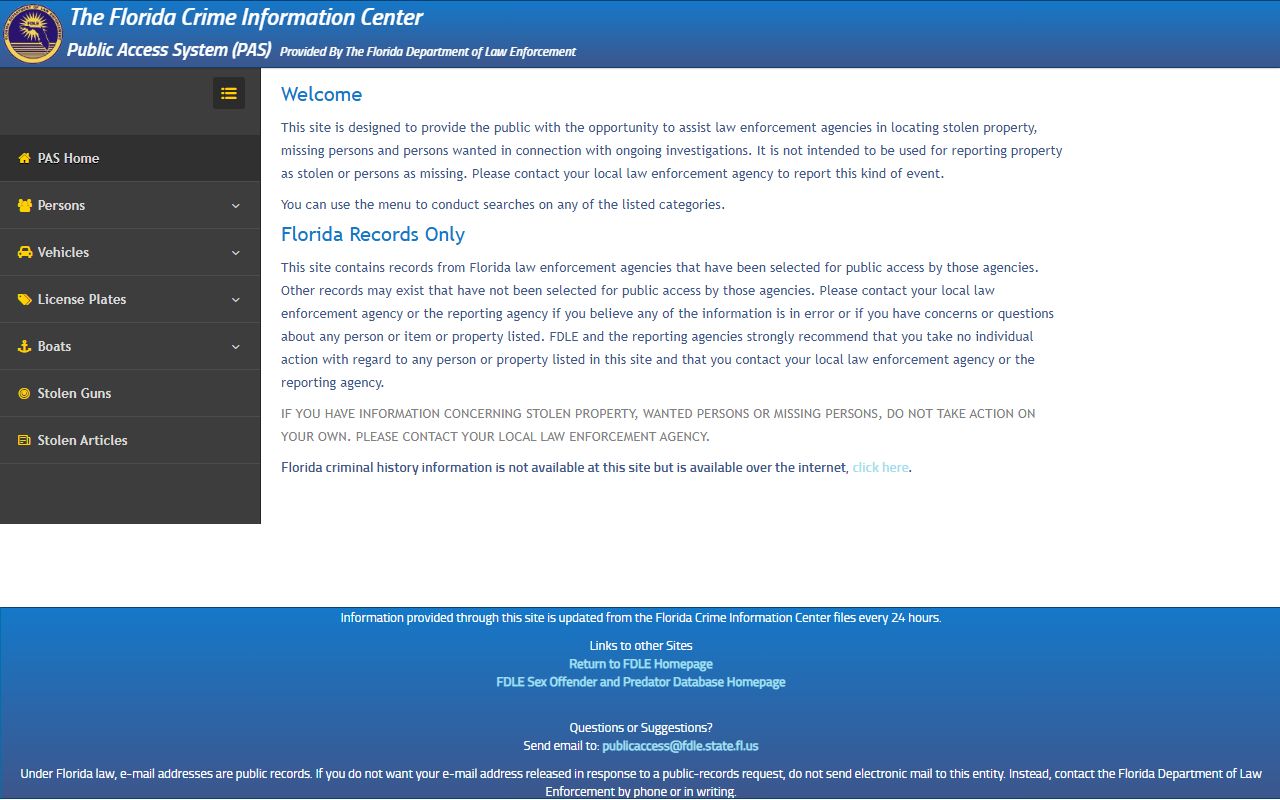
To run a search, go to the site and click "Persons" in the left menu. Then pick "Wanted Person" from the list. Type in the name you want to check. You can add a date of birth to narrow things down. The system shows active warrants that have been reported by law enforcement across Florida. Results include the person's name, the warrant type, and the issuing agency. You can also go to the Wanted Persons search page to skip right to the search form. Under Florida Statute 901.04, warrants are directed to all sheriffs in the state, which is why the FDLE database pulls data from every county.
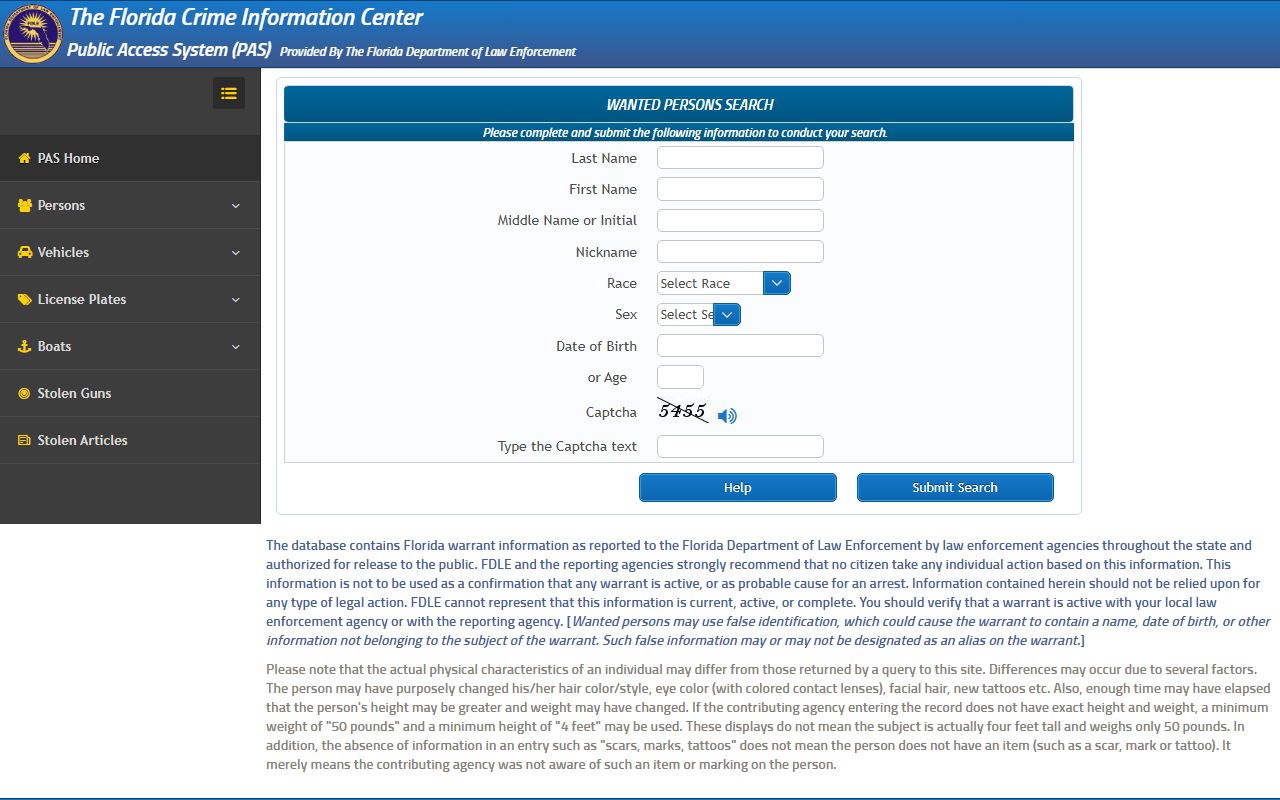
The search is free. No account is needed. Anyone can use it at any time of day or night from any device with internet access.
Note: Not all Florida warrants appear right away on FDLE since some agencies take time to enter data and officers may hold warrants before posting them.
Types of Warrants in Florida
Florida courts and law enforcement agencies issue several types of warrants. An arrest warrant is the most common kind. A judge signs it after reviewing a sworn complaint and finding probable cause. This is required by Florida Statute 901.02. The warrant tells all sheriffs in the state to arrest the named person. It can be served any day, any time. Bench warrants come from a judge when someone fails to show up for a court date. A capias is similar to a bench warrant and can be issued by the Clerk of Circuit Court. All of these warrant records show up in the Florida system over time.
Other types of warrants exist in Florida too. Violation of probation warrants go out when someone breaks the terms of their probation deal. Fugitive warrants apply when a person is wanted in another state. Direct file arrest warrants come from the State Attorney's Office rather than a judge. Search warrants are not the same as arrest warrants. Under Florida Statute 933.07, search warrants must be carried out within 14 days or they expire. Arrest warrants in Florida do not expire at all. They stay active until the person is found or a judge decides to recall the warrant.
Common types of Florida warrant records include:
- Arrest warrants for felony and misdemeanor charges
- Bench warrants for failure to appear in court
- Capias issued by the Clerk of Circuit Court
- Violation of probation warrants
- Fugitive and extradition warrants from other states
- Direct file warrants from the State Attorney
Florida County Warrant Resources
Each of Florida's 67 counties has an elected sheriff who handles warrant records for that area. The sheriff serves as the chief law enforcement officer in the county. Most sheriff offices run their own websites where you can search for warrants or look up arrests. Some have full online search tools. Others ask you to call or visit in person. The level of online access varies quite a bit from one Florida county to the next. Larger counties like Miami-Dade, Broward, and Hillsborough tend to have more detailed online systems. Smaller rural counties may only handle warrant inquiries by phone. The Florida Sheriffs Association keeps a directory of all 67 sheriff offices with links to each one.

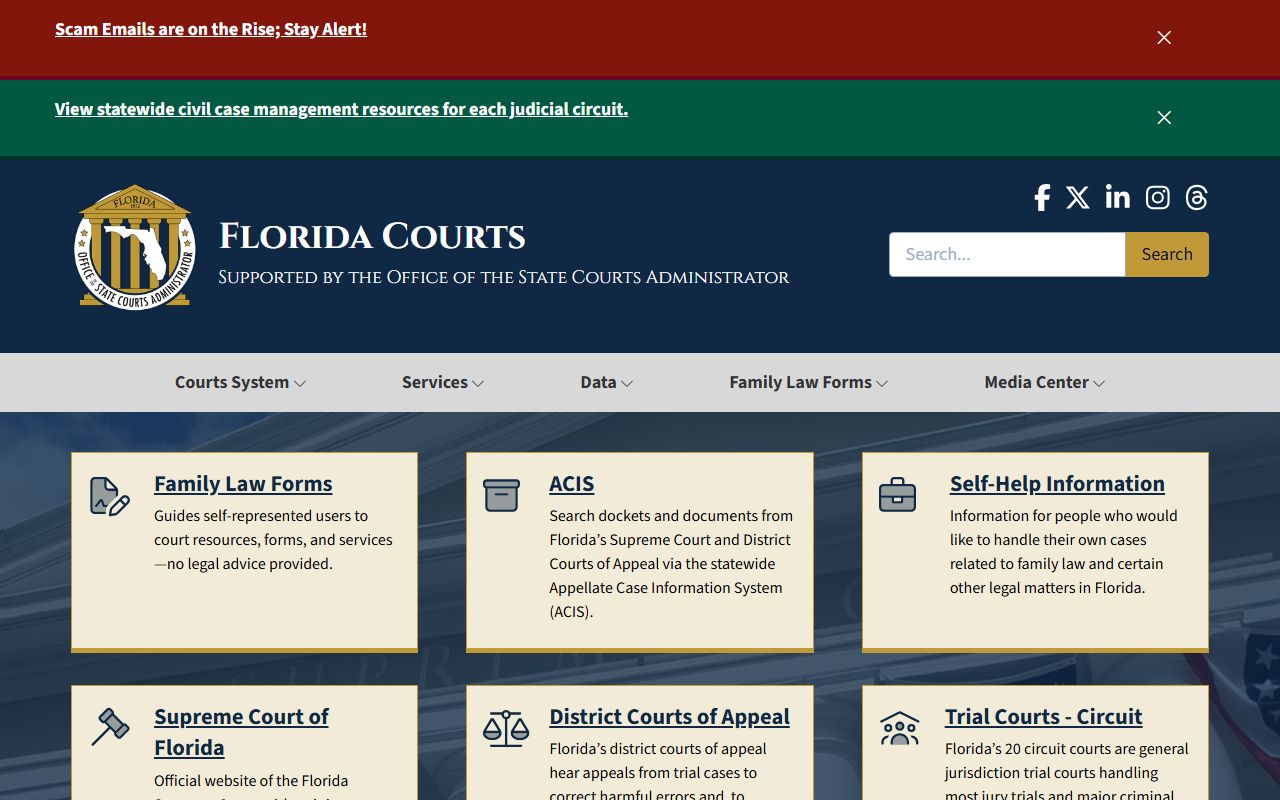
The Clerk of Court in each Florida county also keeps warrant records. When a judge signs a warrant, the clerk enters it into the court case file. Warrant and capias activity shows up in criminal case dockets that you can search at the clerk office. The Florida Courts website links to clerk offices across all 67 counties.
Warrants often appear on a county clerk or sheriff site before they show up on the statewide FDLE database. If you need the most current warrant data for a specific Florida county, check the local sources first.
Note: County warrant databases may not be updated in real time, so always confirm through official channels before taking any action.
What to Do About a Florida Warrant
If you find a warrant in your name in Florida, talk to a lawyer first. Do not go to a police station or jail on your own without legal advice. Under Florida law, if you turn yourself in on a warrant, you must go into custody before you can post bond. A licensed bail bondsman can walk you through the steps. Some Florida counties offer what is called a "walk-through" process. This lets you handle the booking in a few hours rather than sitting in jail overnight. Not every county does this, so check with a local attorney or bondsman.
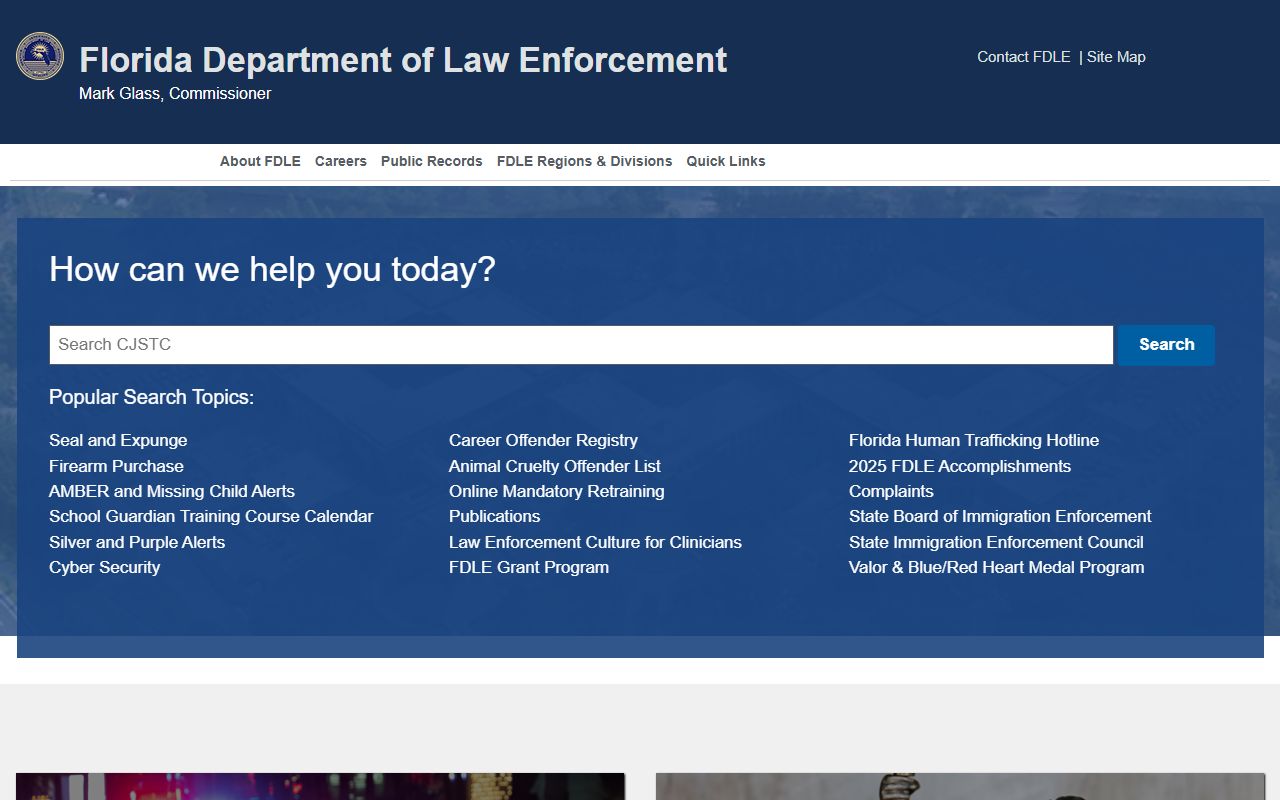
The Florida Department of Law Enforcement maintains public records related to warrants and criminal history across the state.
Florida law covers what happens when someone is arrested on a warrant outside the county where it was issued. Under Florida Statute 901.07, the arresting officer must tell the person about their right to bail. If the person can post bail right away, they may do so in that county. If not, the officer takes them before the judge who issued the warrant. Under Florida Statute 901.16, the officer making the arrest must also tell the person why they are being arrested and that a warrant has been issued. The officer does not need to have the physical warrant at the time of the arrest but must show it as soon as possible if asked.
Warrants in Florida do not expire. They stay active until served or recalled by a judge. Even very old warrants can still lead to arrest during a routine traffic stop or other contact with law enforcement in Florida.
Are Warrant Records Public in Florida
Florida has one of the strongest public records laws in the country. The Sunshine Law, found in Florida Statute 119.07, says that any person can inspect and copy public records held by state and local agencies. This covers warrant records kept by sheriff offices and clerks of court across Florida. You do not have to be the person named on the warrant. You do not need to give a reason for wanting to see the records. The Sunshine Law applies to every county agency in the state. Most warrant searches through FDLE and county sheriff sites are free of charge in Florida.
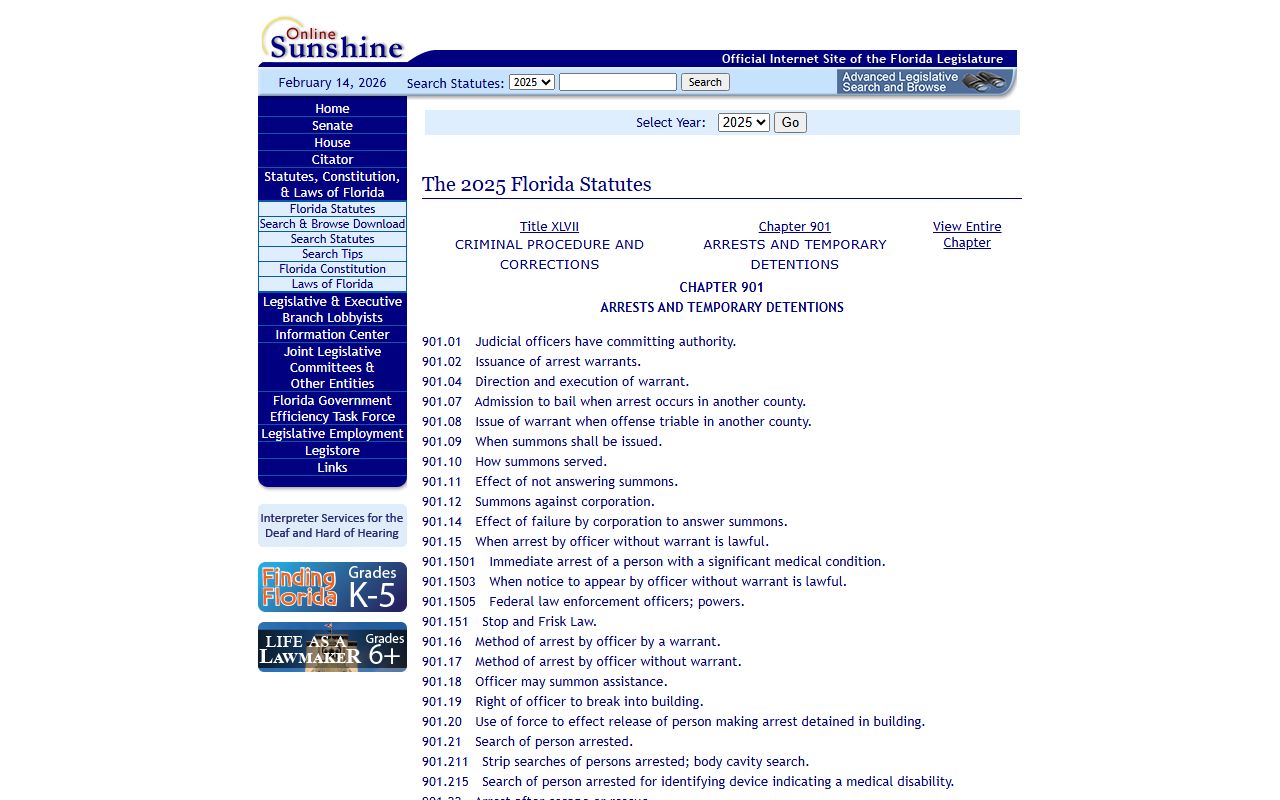
You can find the full text of Florida's arrest and warrant statutes on the Florida Legislature website under Chapter 901.
Some limits do apply. Active criminal intelligence and investigative information can be held back under Florida Statute 119.071. Search warrants and their supporting affidavits stay private until the warrant is executed or law enforcement decides it cannot be carried out. Once served, the records tied to that warrant generally become open to the public. Some officers also hold "pocket warrants" that have not yet been entered into any public database. If you think a warrant exists but cannot find it online, contact a criminal defense attorney in Florida who can make inquiries with the investigating agency on your behalf.
Browse Florida Warrant Records by County
Each Florida county has its own sheriff office and clerk of court that maintain warrant records. Pick a county below to find local search tools, contact info, and warrant resources for that area.
Warrant Records in Major Florida Cities
Florida cities rely on county sheriff offices for warrant enforcement. City police departments handle local law enforcement, but warrants go through the county system. Pick a city below to learn about warrant records in that area.